

Knowledge is no longer enough
We have more information than we can handle. The real problem is how we make sense of it. Not as individuals, but as teams trying to align, decide, and move forward together.

We are surrounded by more information than we can ever process, and access to it has never been easier. We can search, compare, and explore almost anything instantly. The challenge is no longer access, but overload.
If information is always within reach, expertise is no longer defined by what you know, but by how you make sense of it and where you focus.
And that is where the structure of organizations starts to matter.
Organizations are often built around similarity. People with similar backgrounds, expertise, and ways of thinking are grouped together. That makes sense, because it creates efficiency, speed, and shared understanding.
But in a world of information overload, this also creates a risk.
Because the way we interpret information is shaped by the people around us, teams built on similarity tend to reinforce the same assumptions. The same patterns get repeated, and it becomes harder to see what is missing.
Two risks in how we deal with this
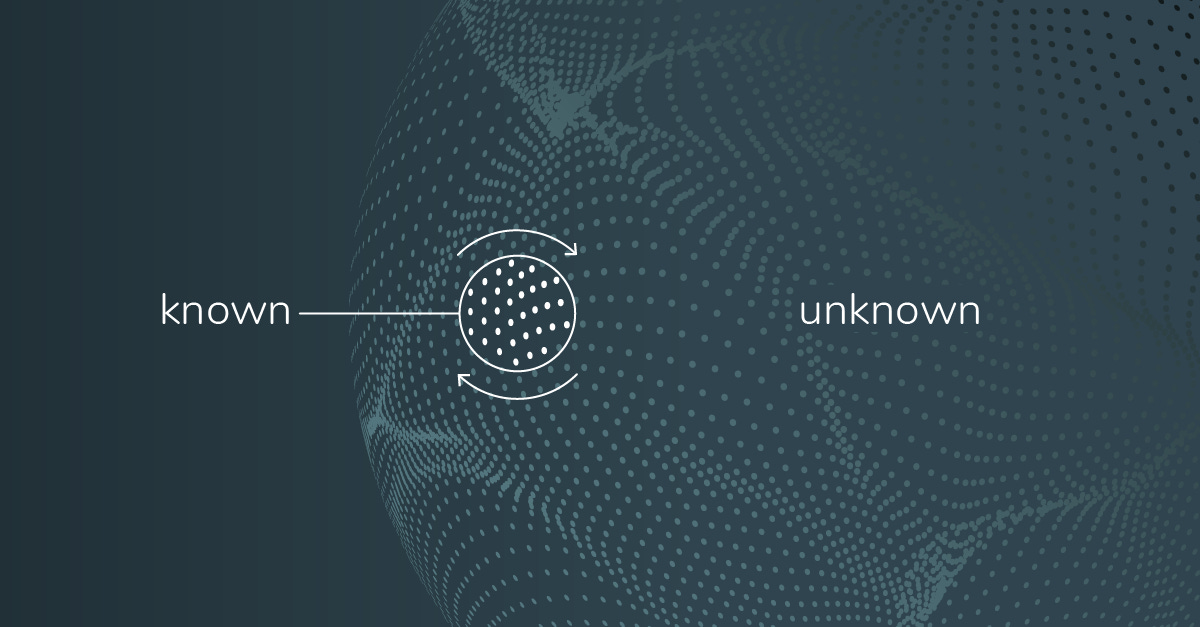
The Johari Window: We stay within what we already know. We don’t know what we don’t know, and in a fast-moving environment that blind spot only grows. If we don’t actively explore beyond it, we get stuck while everything around us moves on. This is hard to solve individually and requires others to challenge our thinking and make those gaps visible.
The Dunning–Kruger effect: We become overconfident in knowledge based on the past. We apply patterns that no longer fit the current reality, without questioning them enough.
But the real risk sits one level deeper.
If we keep organizing ourselves and thinking in this way, we simply won’t keep up. We won’t make use of what is available. We will fall behind, not because we lack access to information or technology, but because we are not set up to adapt at the same speed.
We see every day what AI can do. That is not the question anymore.
The real question is how we organize ourselves to move beyond our current thinking and make use of it in a way that moves us forward, instead of running in circles trying to fit new possibilities into what we already know from the past.
Questions create direction
If this is the reality, the shift is not just about individuals, but about how we work together.
It becomes less about having the right answers, and more about creating the conditions to explore what we don’t yet understand. That requires curiosity, openness, and the willingness to question what we think we know. It also requires something that is often overlooked: a safe space to admit uncertainty and explore without having to be right immediately.
Because if people don’t feel safe to say “I don’t know,” they will default to what they already know. And that is exactly what keeps us stuck.
This is where diversity and collaboration become essential. Not as abstract values, but as a way to challenge assumptions, surface blind spots, and move beyond a single way of thinking. It is through different perspectives that better questions emerge.
In the end, this is what creates direction. Not certainty, but the ability to explore, adapt, and move forward together.